

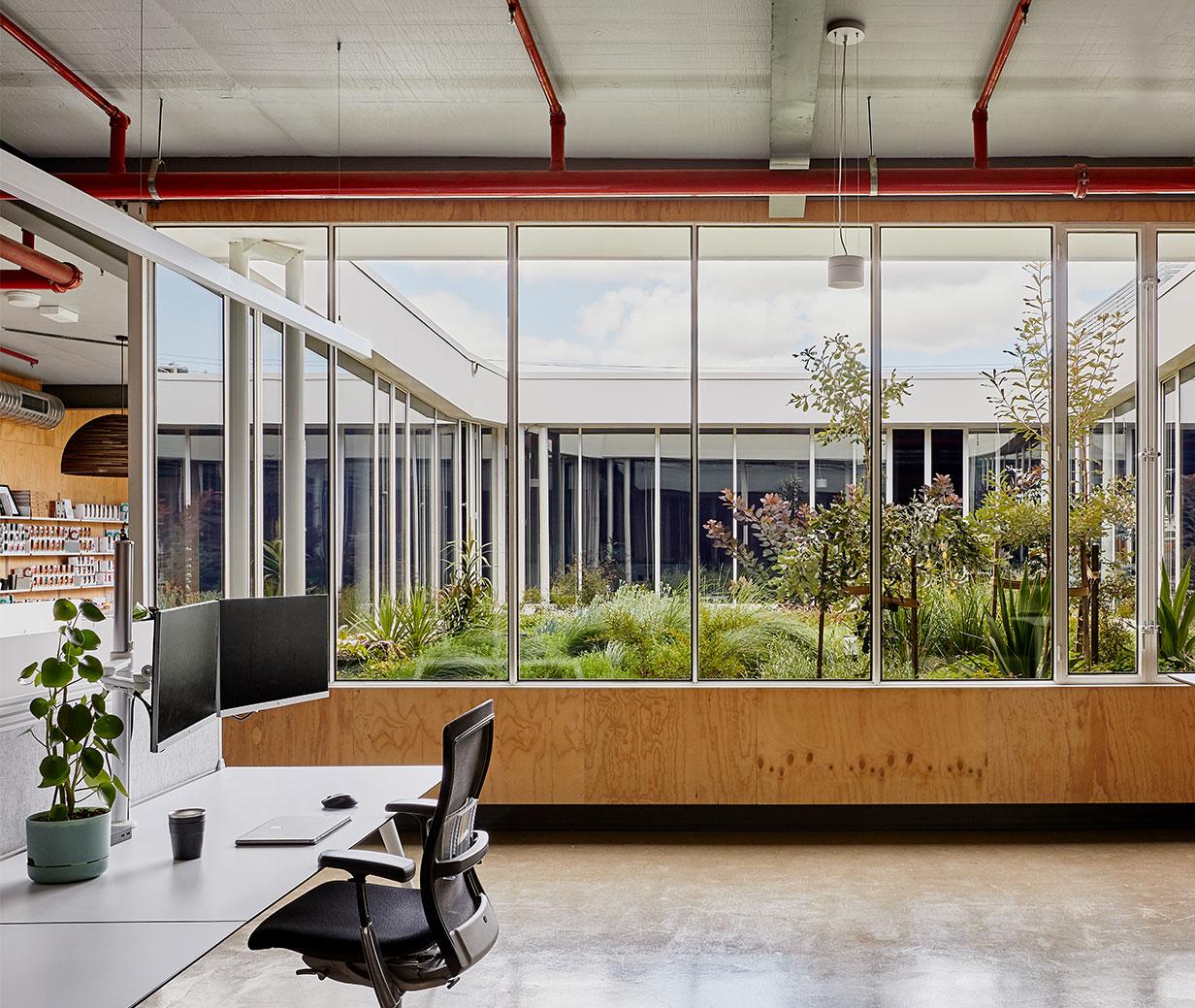
Zero waste sounds aspirational. The reality is more grounded, it's a continuous discipline of designing out waste at every operational step. KeepCup's Melbourne HQ has been working on this for years, with mixed results we're honest about. This is where we've succeeded, where we've stalled, and what we've learned about running a manufacturing operation that takes waste reduction seriously.
What We've Eliminated
Categories where waste from HQ operations is now at or near zero:
- Single-use coffee cups. Obviously, we make reusable cups. But every meeting, every visitor, every staff member operates on reusables. No disposables in the building.
- Bottled water. Plumbed water stations and personal bottles. No bottled water purchased, no bottled water served.
- Plastic stationery. Pens, folders, file dividers, paper, metal or refillable equivalents where available.
- Single-use printed material. Most internal documentation is digital. Printed material is on FSC certified paper with double-sided default.
What We've Reduced
Categories where we've made measurable progress without eliminating waste entirely:
- Food packaging. Team kitchen stocked from bulk where available. Catering for events uses reusables. Personal lunches still introduce some packaging into the building.
- Office supplies. Bulk buying, longer-life equipment, repair rather than replace for hardware. Some single-use items remain in specialty categories.
- Shipping and packaging waste. Incoming supplier shipments still introduce some material we can't fully control. Where we have leverage, we've pushed suppliers to use recyclable packaging.
Where We've Stalled
Worth being honest:
- Industrial waste from manufacturing. Cup production generates trim, off-cuts and quality-control rejects. The bulk is recycled internally, but some material still goes to general waste. The closed-loop here is a multi-year project, not a one-year fix.
- Imported raw materials packaging. Some suppliers ship raw material in mixed plastic-foil packaging that's not easily recoverable. We've raised the issue with the suppliers; progress is incremental.
- End-of-life cup returns. Our takeback program is in pilot. The infrastructure to recover end-of-life KeepCups at scale is being built.
What We've Learned
Five operational learnings from working on waste reduction over multiple years:
1. The Easy Wins Run Out Fast
The first phase of waste reduction, swapping disposable cups, bottled water, plastic stationery, happens in weeks. The harder phases, industrial waste, supplier packaging, end-of-life recovery, take years.
2. Procurement Is the Highest-Leverage Lever
What you buy in determines what you have to dispose of. Procurement decisions made years ago have ongoing waste consequences. Procurement criteria with explicit waste-reduction weightings shift outcomes more than after-the-fact waste sorting ever could.
3. Habits Matter as Much as Systems
The reuse system only works if people use it. New starters need to be inducted into the practice. Long-tenured staff need to see leadership modeling the behavior. Without consistent cultural reinforcement, the disposable defaults creep back in.
4. Measurement Is Hard
Waste audits are time-consuming and imprecize. The categories that look quantifiable (kilograms to landfill) miss the waste that's been designed out at the procurement stage. We rely on a combination of waste audits, procurement analysis and qualitative review.
5. External Pressure Helps
B Corp recertification cycles force a structured review of waste practice every three years. Without that external pressure, internal complacency would creep in. The discipline of external accountability is genuinely useful.
What's Next
Three projects in active development:
- Closed-loop trim recovery. A larger fraction of production trim and off-cuts re-entering the supply chain rather than going to general waste.
- Takeback program rollout. Expanding the end-of-life KeepCup takeback pilot toward national scale.
- Supplier packaging standards. Tightening incoming supplier packaging requirements with phased compliance timelines.
The Bigger Frame
Zero waste at scale is an ongoing discipline, not a destination. Every year delivers some new gains and some new failure modes. The operational maturity comes from working on it consistently, not from the marketing assertion of "zero waste" without the underlying practice.
Our products are tested to 1,000 uses, our packaging is FSC certified and curbside recyclable, our manufacturing runs on renewable electricity, and our internal operations work to reduce waste continuously. None of this is one decision, it's the accumulated effect of hundreds of decisions made carefully across years.
FAQs
Is KeepCup HQ zero waste?
We're working toward it. Single-use coffee cups, bottled water and plastic stationery have been eliminated. Industrial waste from manufacturing and end-of-life cup recovery are the remaining significant categories.
What is KeepCup's biggest waste challenge?
Industrial waste from cup manufacturing and end-of-life cup recovery. Both are multi-year projects rather than one-year fixes.
Are KeepCups recyclable at end-of-life?
Yes. The takeback program is in pilot, supporting direct return of end-of-life products for material recovery. Standard curbside recycling also accepts the materials.
How long do KeepCup products last?
KeepCup products are tested to 1,000 uses. Modular replacement parts extend service life beyond that.
The Reuse Imperative
Interview with Jeff Hansen of Sea Shepherd